
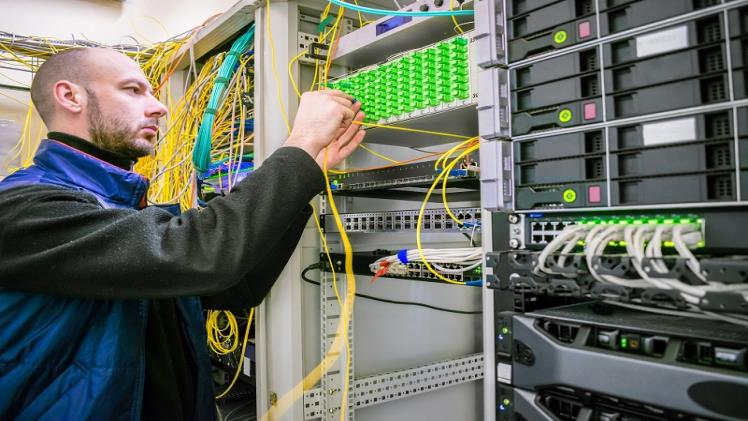
In the world of modern communication, fibre optic cables have become the backbone of our digital infrastructure. These advanced cables, made of thin strands of optically pure glass or plastic, are revolutionising the way data is transmitted over long distances. C
Compared to traditional copper cables, fibre optic cables offer a myriad of benefits, especially when it comes to reliability. In this article, we will explore five key reasons why fibre optic cables are more reliable, making them the preferred choice for high-performance data transmission.
What are Fiber Optic Cables?
Fibre optic cables are composed of tiny, hair-thin strands of glass or plastic that can carry data in the form of light signals over long distances. The core of the cable, where light travels, is surrounded by a cladding layer that reflects the light back into the core, ensuring minimal signal loss. These cables are widely used in telecommunication, Spectrum One plan internet services, and networking to transmit data at lightning-fast speeds.
What is the Difference Between Fibre Optic Cables and Copper Cables?
Before delving into the reasons for fibre optic cables’ superior reliability, it’s essential to understand the key differences between fibre optic cables and traditional copper cables.
- Data Transmission: Copper cables transmit data using electrical signals, while fibre optic cables use light signals. This fundamental distinction gives fibre optic cables a significant advantage in terms of speed and efficiency.
- Bandwidth: Fibre optic cables have a much higher bandwidth capacity compared to copper cables. This means they can carry more data over longer distances without signal degradation.
- Interference: Copper cables are susceptible to electromagnetic interference, which can result in signal distortion or loss. Fibre optic cables are immune to such interference, providing a stable and reliable data transmission.
- Distance: Copper cables have limitations on how far data can be transmitted effectively. In contrast, fibre optic cables can transmit data over much longer distances without any significant loss of signal strength.
- Size and Weight: Fibre optic cables are thinner and lighter than copper cables, making them easier to install and manage. They also take up less space, making them ideal for environments with limited cable routing options.
5 Reasons Why Fiber Optic Cables are More Reliable
- Immunity to Electromagnetic Interference: One of the primary reasons for fibre optic cables’ reliability is their immunity to electromagnetic interference (EMI) and radio-frequency interference (RFI). Copper cables, being electrical conductors, are highly susceptible to these interferences, especially in industrial settings or areas with high electronic device density. Fibre optic cables, on the other hand, are impervious to such disturbances, ensuring a stable and interference-free data transmission.
- Minimal Signal Loss: Over long distances, traditional copper cables suffer from signal attenuation, leading to a decrease in data integrity and speed. Fibre optic cables, thanks to their low attenuation rate, can transmit data over thousands of kilometres without any significant signal loss. This characteristic makes fibre optics the preferred choice for long-haul communication networks, ensuring reliable data delivery.
- Enhanced Security: Copper cables can be vulnerable to data tapping and unauthorised access due to electromagnetic radiation emitted from the cables, which can be intercepted. In contrast, fibre optic cables do not emit any detectable signals, making them inherently more secure against eavesdropping and data breaches. For organisations and industries handling sensitive data, this added layer of security is crucial.
- Resistance to Environmental Factors: Fibre optic cables are highly resistant to environmental factors that can degrade signal quality. Copper cables are susceptible to corrosion, temperature fluctuations, and moisture, which can lead to performance degradation over time. Fibre optic cables, being made of glass or plastic, are not affected by these factors, ensuring consistent performance and reliability even in harsh conditions.
- High Bandwidth Capacity: With the ever-increasing demand for faster data transmission, fibre optic cables offer unparalleled bandwidth capacity. As technology continues to advance, fibre optics can easily accommodate higher data rates, future-proofing the communication infrastructure and ensuring it can handle the demands of tomorrow’s digital world.
Why You Should Work With Fiber Optic Installation Professionals
While fibre optic cables boast exceptional reliability, their proper installation is critical to maximising their benefits. Working with professional fibre optic installation professionals offers the following advantages:
- Professional installers have the necessary knowledge and expertise to handle fibre optic cables delicately and ensure accurate installations.
- Fibre optic cables require precise terminations and connections to perform optimally. Professionals have the tools and experience to achieve precise results.
- Handling fibre optic cables requires specific safety measures to avoid damage and potential hazards. Professionals follow safety protocols to protect both themselves and the infrastructure.
- In the event of any issues or signal disruptions, professional installers can quickly diagnose and troubleshoot problems, minimising downtime and ensuring continuous communication.
Fibre optic cables have undoubtedly transformed the landscape of modern communication and networking. Their inherent reliability, immunity to interference, minimal signal loss, enhanced security, and high bandwidth capacity make them the superior choice for transmitting data over long distances. When considering the implementation of a reliable and future-proof communication infrastructure, working with professional fibre optic installation experts is crucial to harness the full potential of fibre optics and ensure seamless connectivity in today’s interconnected world.