
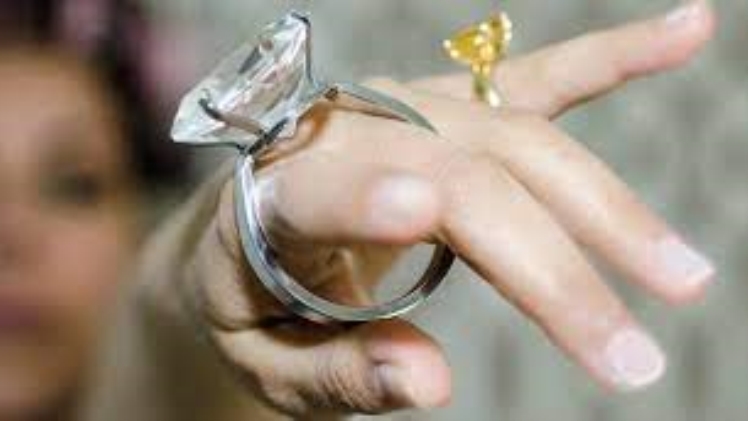
When it comes to ring sizing, expertise is critical. Whether a customer is shopping for themselves or someone else, getting the right size is essential to avoid costly mistakes.
Considering that fingers shrink and expand based on temperature is also crucial. Using an old ring or a string can help to measure correctly.
Customer Service
Rings are a popular gift for many occasions, so providing customers with the correct sizing is essential to ensure their satisfaction. So, how to size a ring? Sizing a ring can be challenging for both the customer and the jeweler, depending on the complexity of the design. Some rings can only be sized down with the risk of damage.
The type of metal can also affect the cost and difficulty of resizing a ring. Gold is easier to work with, but platinum may be more difficult due to its density and strength.
Additionally, some types of resizing require specific attention to detail to preserve the design’s integrity and avoid damaging the stones or other elements within the ring. Customers should also measure their ring size several times for the most accurate measurement. For instance, fingers can change in size throughout the day, so measuring at different times will increase accuracy.
Product Knowledge
Ring sizing can seem complicated, mainly as measurement systems differ across nations. This is why it’s essential to understand the product knowledge behind the sizing process and what types of rings can and cannot be sized without damage. This is especially true regarding precious metals, which are often softer and more malleable than other materials. This information will help you capture more sales and save money on inventory.
Inventory Management
Having efficient inventory management can help a jewelry business avoid unnecessary money losses resulting from poor planning and miscalculation of supplies. It can also improve cash flow and enable the company to concentrate on other important matters, such as enhancing market share and improving competitive ability.
Efficient jewelry inventory management includes establishing the best possible means of organizing and tracking stocked products through appropriate classifications. For example, a jewelry company can categorize its inventory into groups based on the profitability they bring – for example, Group A, Group B, and Group C. Assigning a barcode or stock-keeping unit (SKU) number to each piece of stocked jewelry is also essential. This can facilitate monitoring each product and help make it easier to spot errors or inconsistencies. A ring that is too big will usually be noticeable, but what about the ones that are just a bit too small?
Sales
The people working on your sales floor, your store, and your brand’s face brand are your most valuable assets. Ensuring they’re empowered, motivated, and educated is critical to success. Your sales associates should know everything about your products and services, including ring sizing.
The ability to size a ring makes your sales team much more valuable to customers and can make a real difference in closing a sale. In addition, the ability to resize a circle is a helpful repair service for your jewelry studio.
Knowing the distribution of ring sizes should help your sales team plan more carefully when purchasing inventory. You must carry more products to avoid unsold merchandise and lost revenue. Conversely, having less of a product can be costly. Frequent resizing down of rings can also cause significant damage to the ring. Reducing techniques requires heat, which can significantly alter a metal.